All posts by Beatriz Ribeiro Da Silva

IACR Conference 2026: Varieties of Realism, Varieties of Critical Realism?

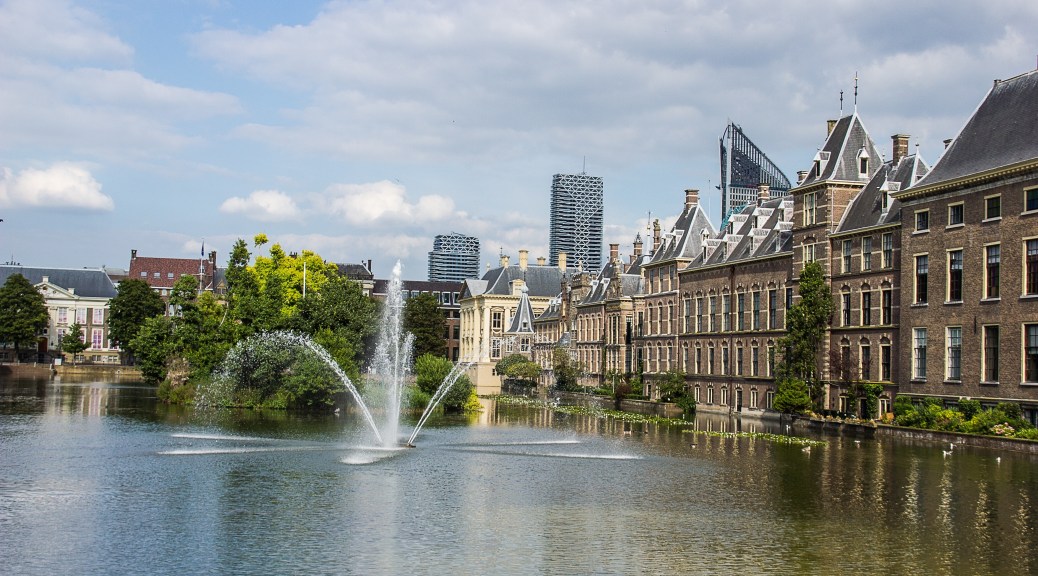
The International Association for Critical Realism (IACR) 2026 Conference will take place from 30 July to 1 August 2026 in The Hague, Netherlands. The conference will explore the theme “Varieties of Realism, Varieties of Critical Realism?”:

In a world delineated by complex, overlapping, multi-faceted crises, what does it mean to be a realist? What does it mean to be a critical realist? What is the difference between the two? Can we say that there are varieties of realist and critical realist approaches that deal with these issues? Are they united in their philosophy but different in their concepts and methods? Or is the spectrum even more heterogeneous?

Conference keynote speakers will include Dr. Amber Fletcher, Dr. Stephen Mumford, and Dr. Andrew Brown.

Pre-Conference Workshop

IACR 2026 will be preceded by a three-day pre-conference workshop, held from 27 to 29 July, aimed at developing participants’ knowledge of critical realism. It will include introductory lectures and discussion sessions on the philosophy of Roy Bhaskar; Margaret Archer’s contribution; developing critical realist-informed social science research methodologies and critical realist academic writing; and opportunities for students to present their work in progress and discuss it with mentors. The final day will feature an introduction to the Norm Circles approach by Dave Elder-Vass and Morphogenetic Régulation by Karim Knio.

For additional information, please visit the conference website.

Invitation to apply for a Marie Curie Postdoctoral Fellowship at the University of Padova, Italy – Deadline 9 September 2026

The Centre for Social Ontology (CSO) welcomes expressions of interest from researchers wishing to apply for the Marie Sklodowska-Curie Postdoctoral Fellowships 2026 at the University of Padova, Italy.

The call, funded by the European Commission within the programme Horizon Europe, closes on 9 September 2026.

The MSCA Fellowships

The Fellowship Action targets researchers holding a PhD who wish to carry out their research activities abroad, acquire new skills and develop their careers.

It provides attractive working conditions and is open to researchers of any nationality and discipline who:

  • Hold a PhD degree at the time of the deadline for applications
  • Have a maximum of 8 years of research experience from the date of the award of their PhD degree (extensions of the eligibility window are foreseen in case of career breaks, years of experience outside research, or in third countries)
  • Comply with the MSCA mobility rule—researchers must not have resided or carried out their main activity in the country of the beneficiary (for European Postdoctoral Fellowships) or of the host organization for the outgoing phase (for Global Postdoctoral Fellowships) for more than 12 months in the 36 months immediately prior to the call’s deadline.

The Centre for Social Ontology (CSO) is open to considering proposals for the Marie Curie Postdoctoral Fellowship 2026 inspired by critical realism, Margaret Archer’s morphogenetic approach, and relational approaches to social theory.

Researchers wishing to develop a project within these terms are welcome to contact the CSO in advance in order to discuss their proposal before initiating the formal application procedure with the University of Padova. 

If interested, please write us at centreforsocialontology@gmail.com

CSO Annual Meeting 2026 – University of Padova, Italy

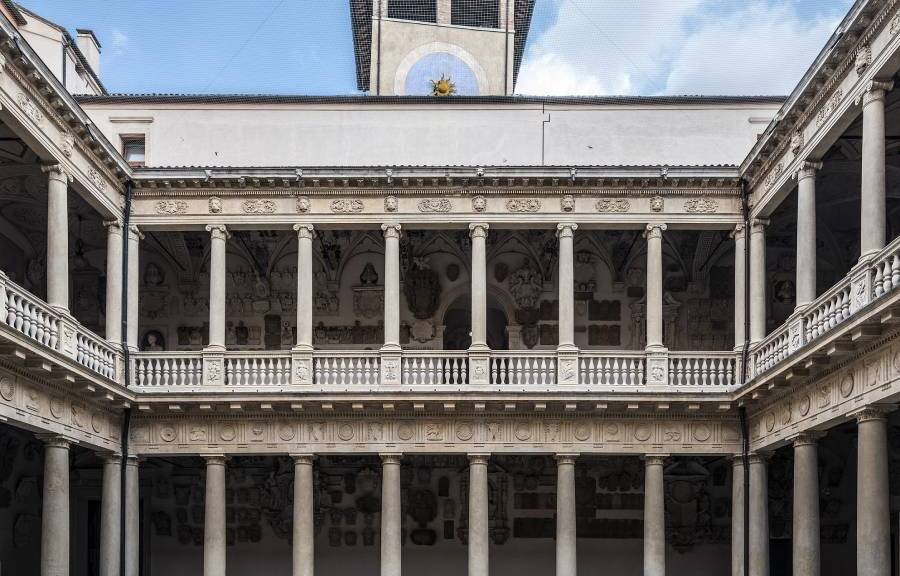
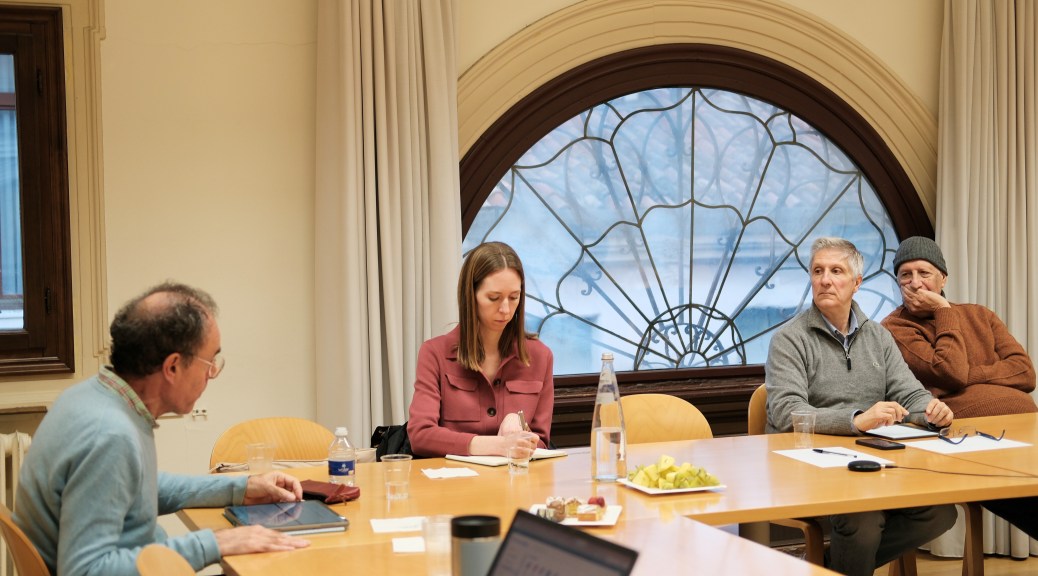
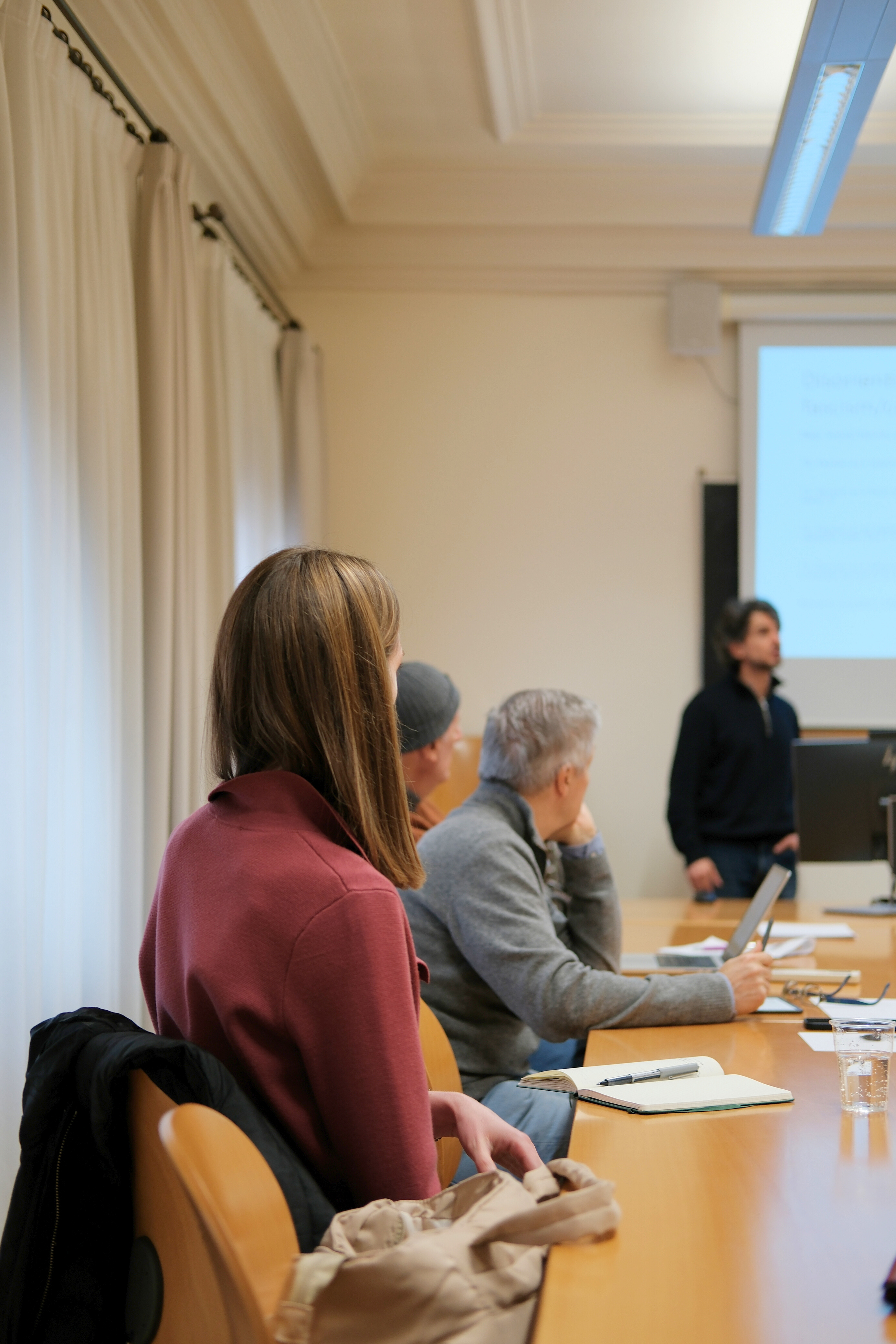
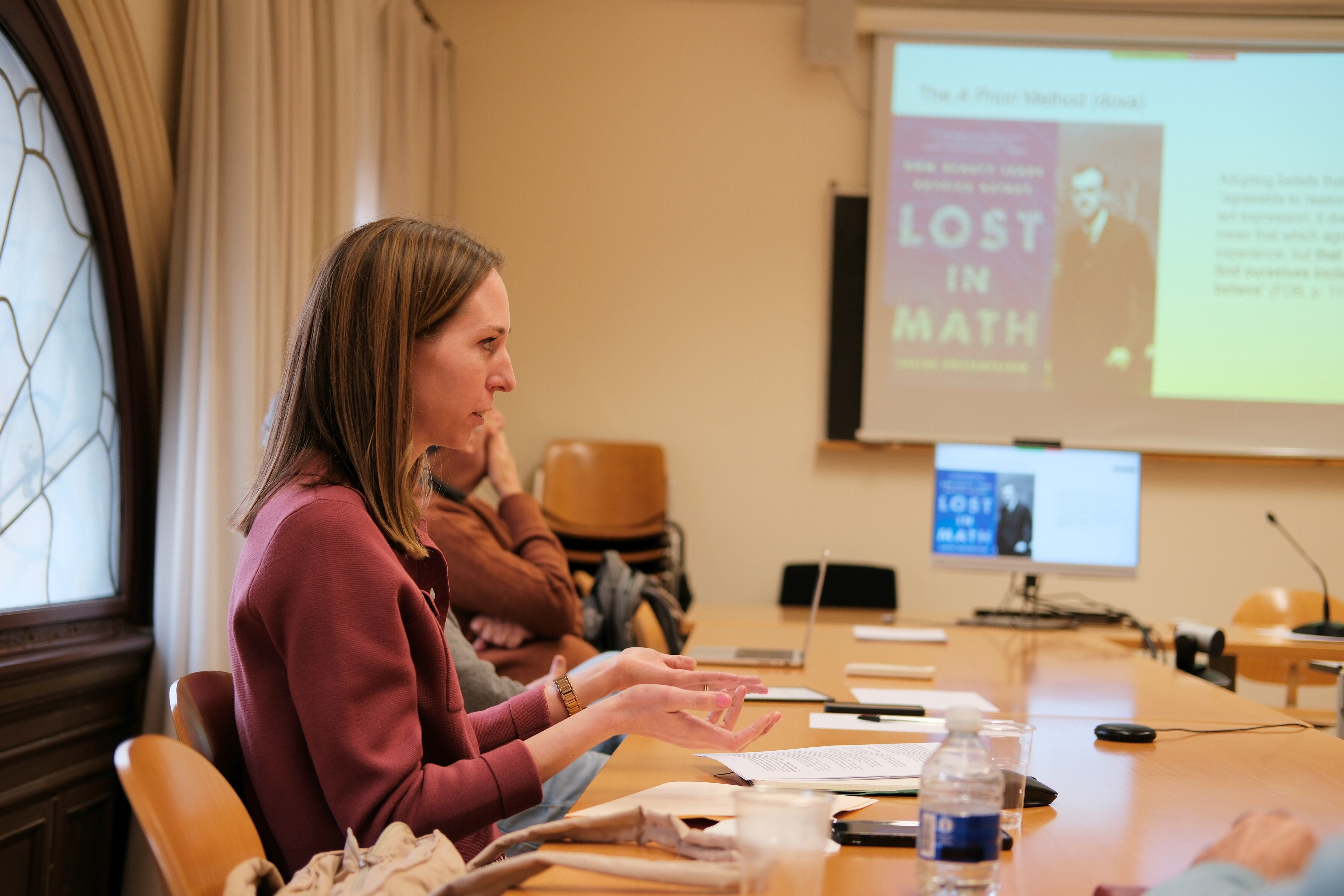
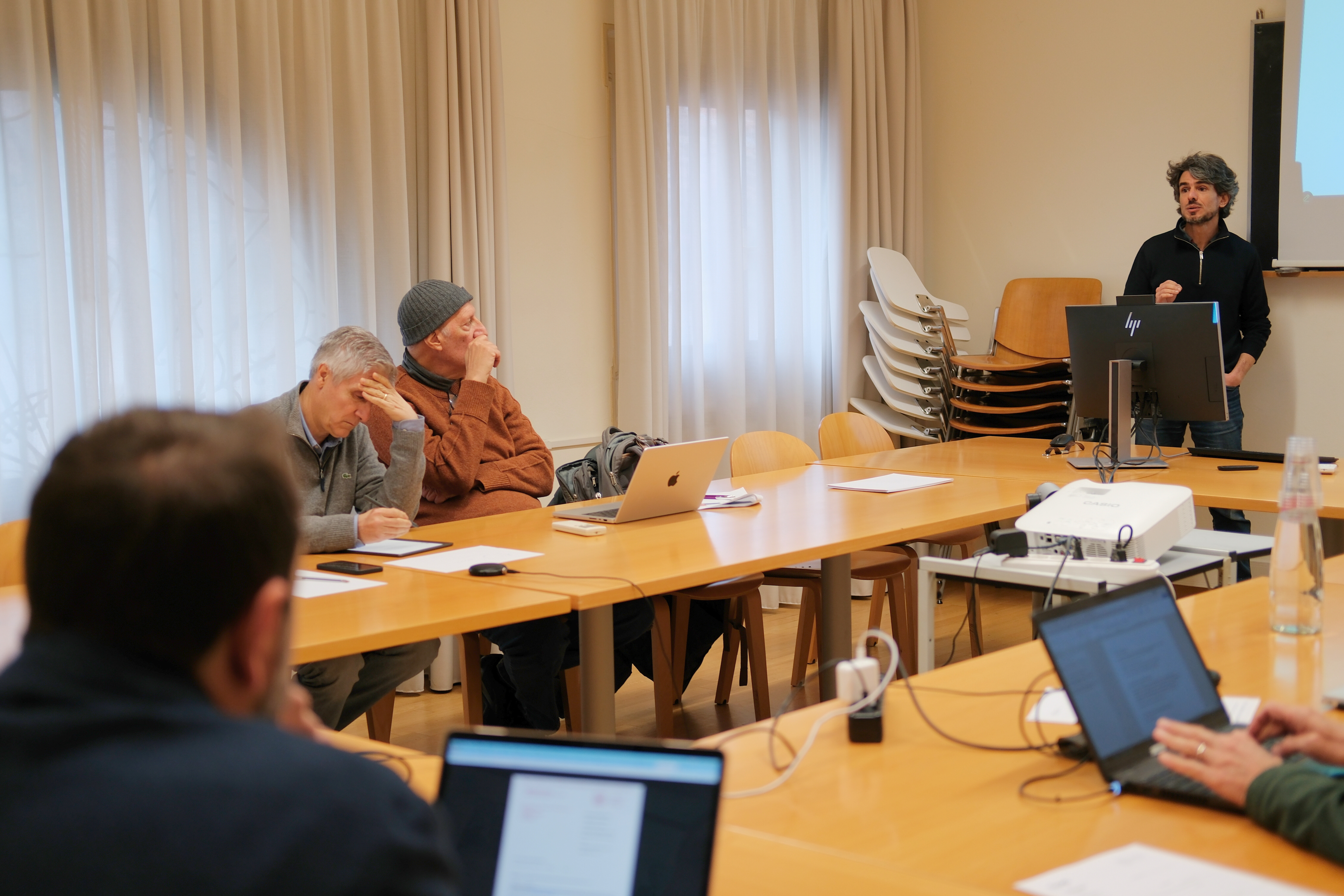
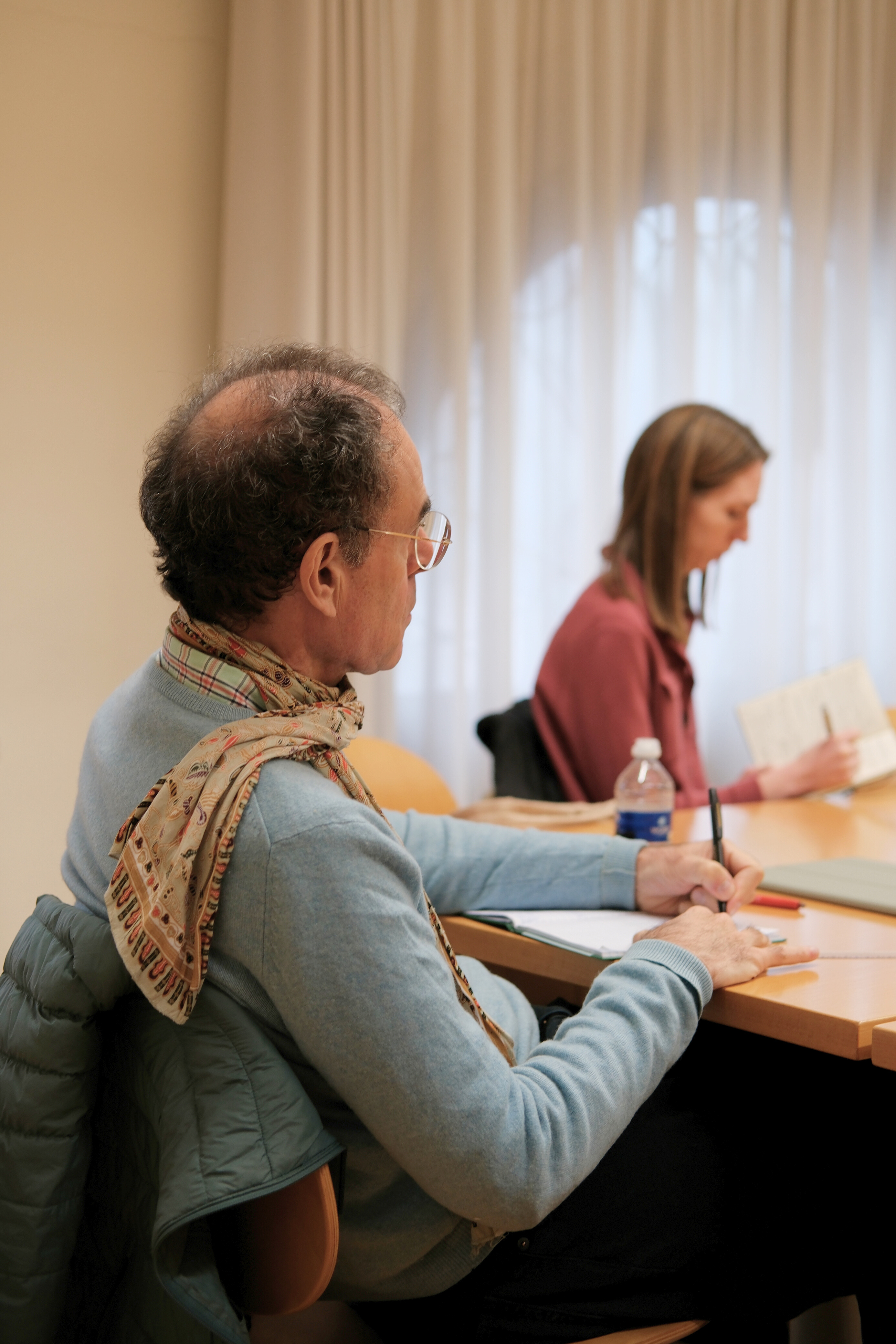
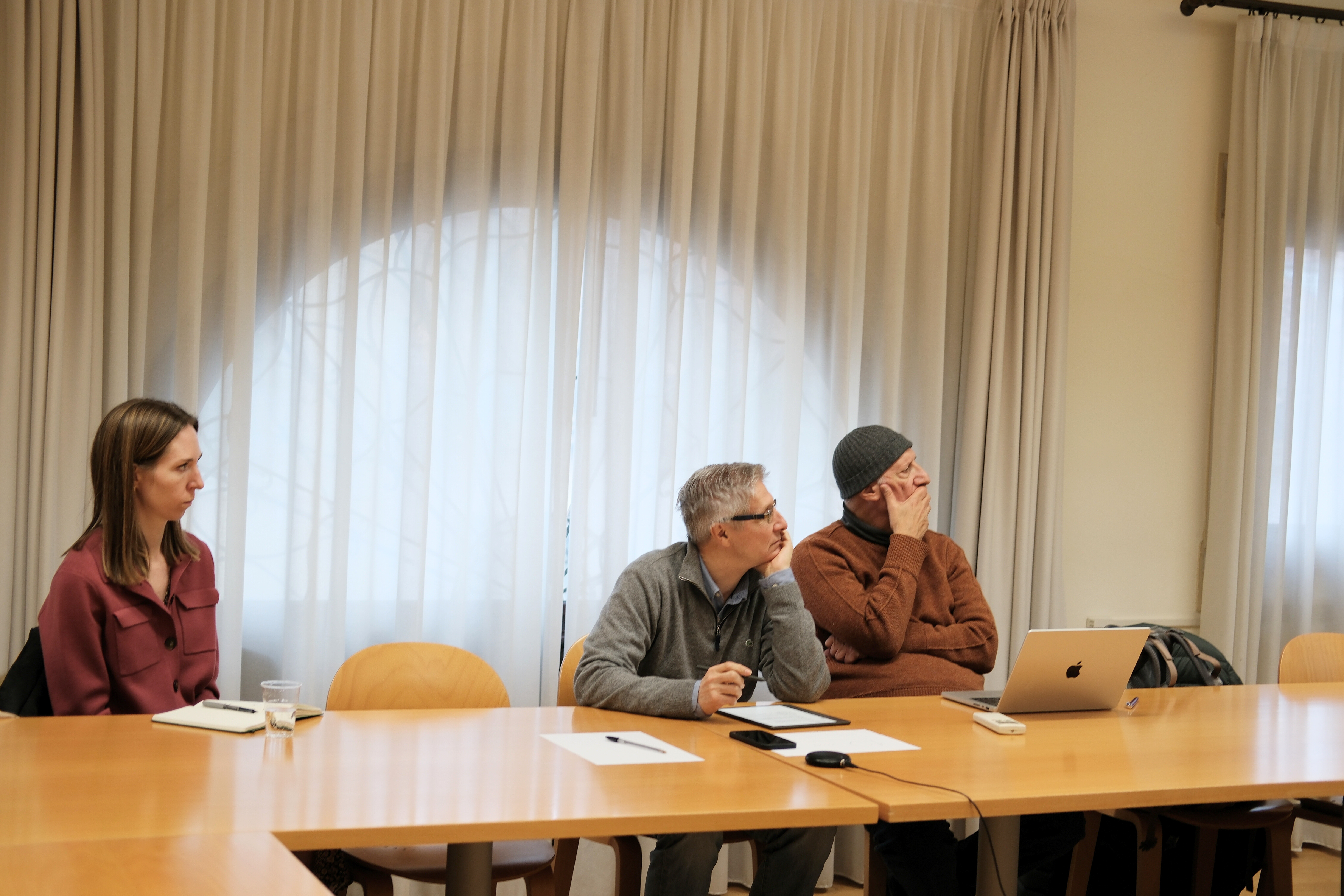
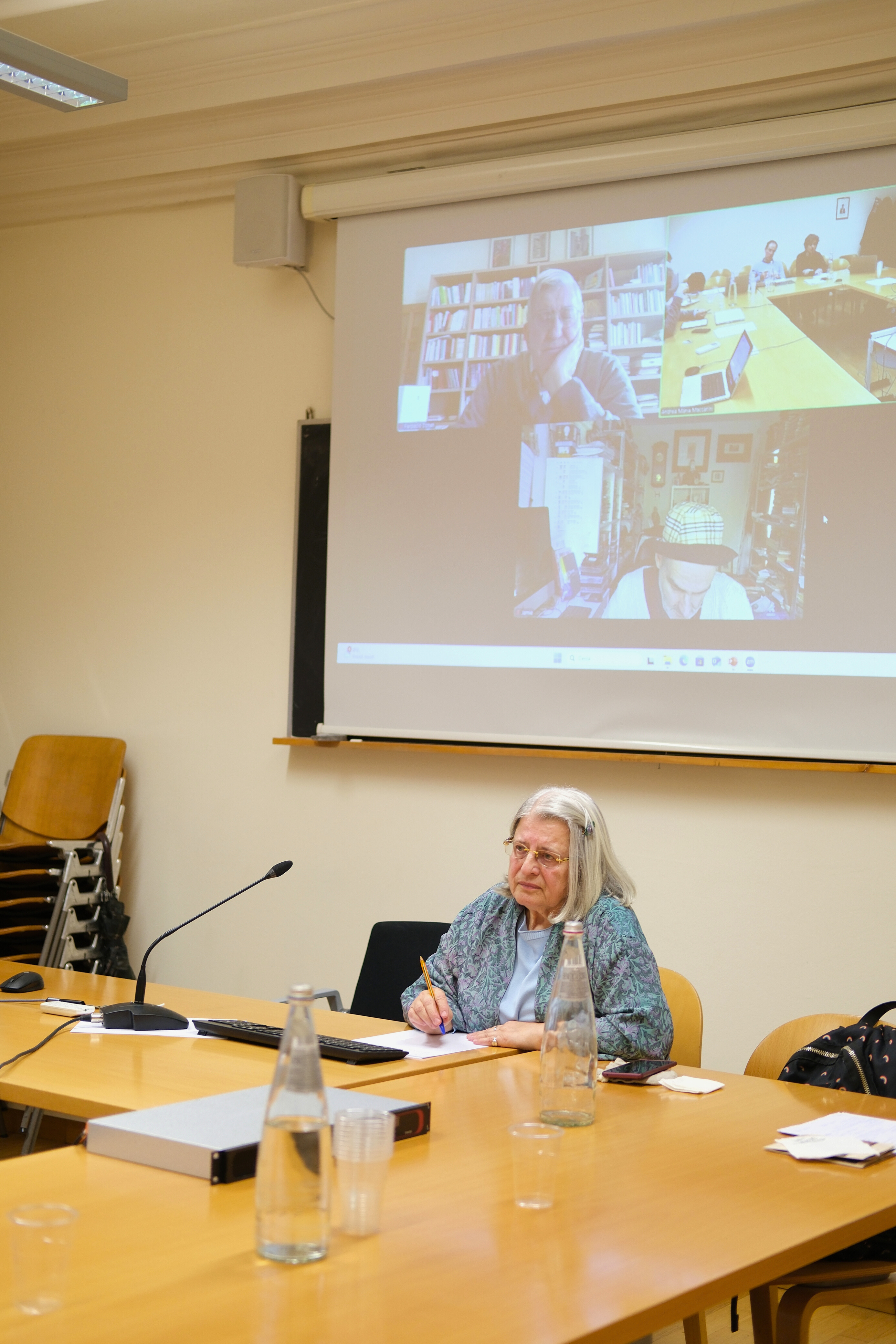
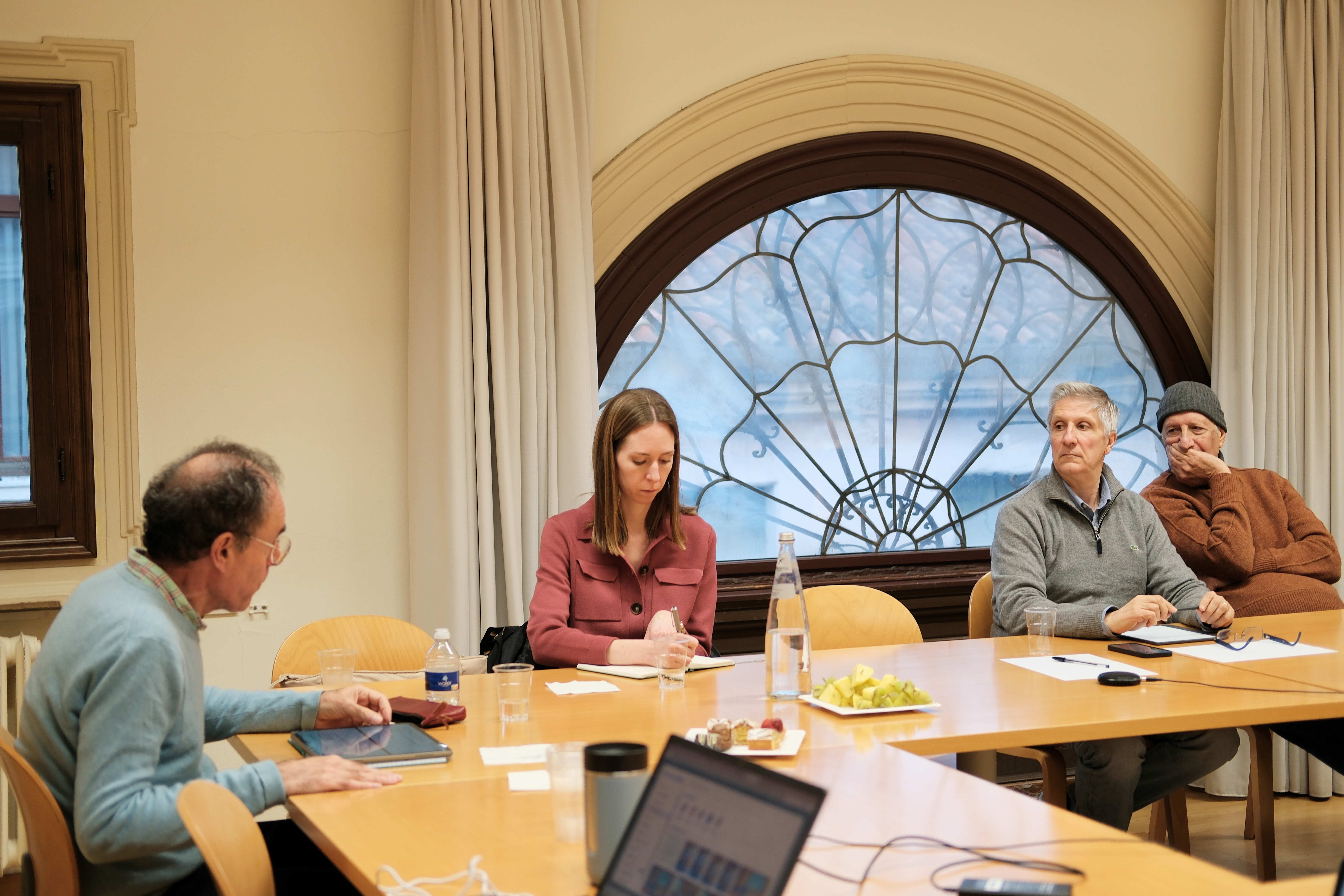
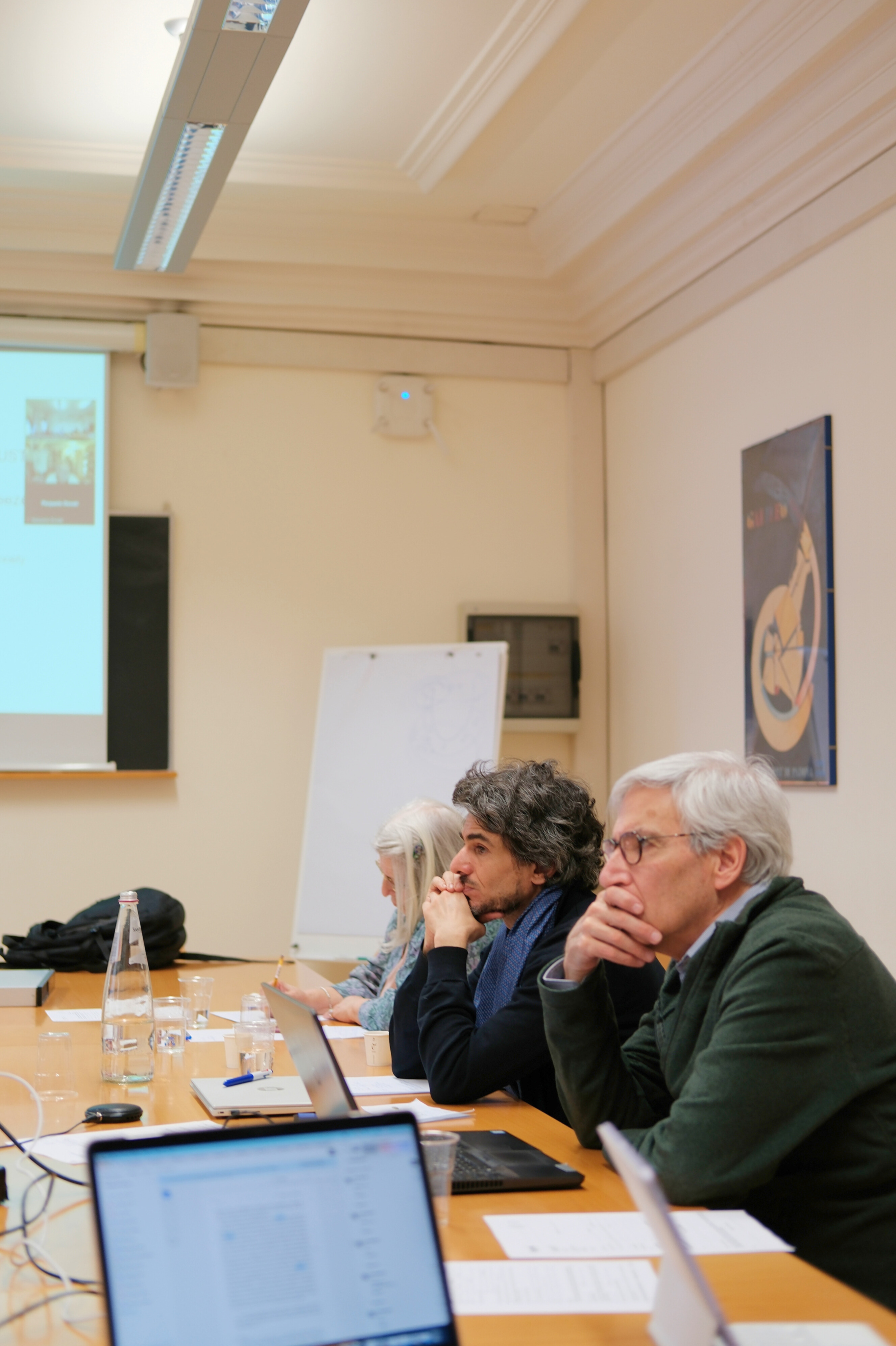
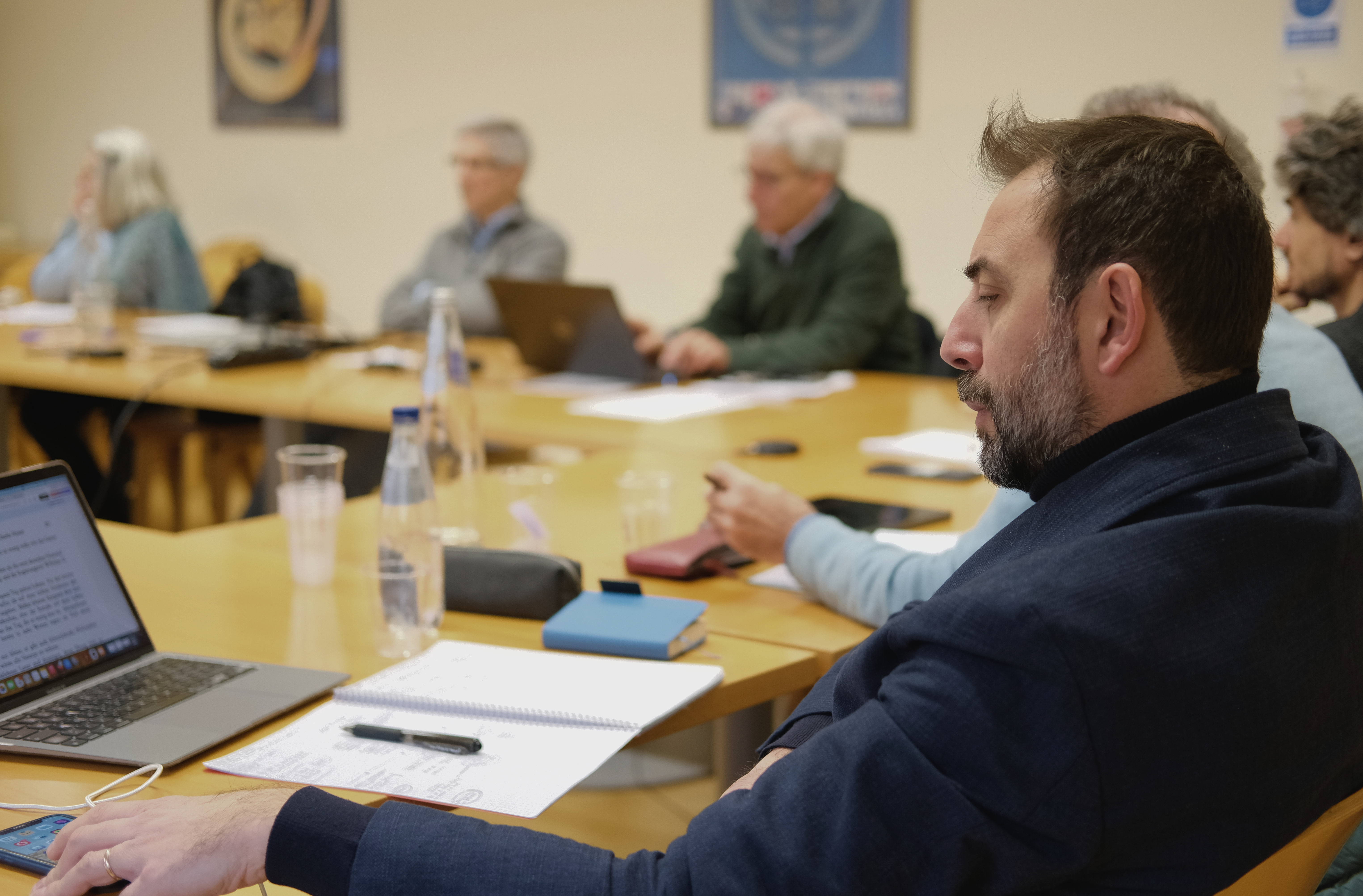
In January 2026, the Centre for Social Ontology held its annual meeting at the University of Padova (Italy), where the CSO is currently based.

The meeting ran between January 13 and January 16, during which the CSO welcomed its new members: Helena Flam, Bridget Ritz, Frédéric Vandenberghe, and Davide Ruggieri. Members discussed the CSO’s research agenda and have worked collectively on a new book proposal.

Photos: Beatriz Ribeiro da Silva

The program of presentations ranged from foundational issues, the transformation of institutions, organizations and inter-organization dynamics, collective action and social subjectivities, deep cultural codes, personal and social identities, and types of life conduct.

Tuesday, January 13

Douglas Porpora: Polarization and the Disintegration of the Neoliberal Order

Ismael Al-Amoudi: Social disintegration, fascism and capitalist organizing

Bridget Ritz: Reflexivity in Doubt: An Immanent Critique

Frédéric Vandenberghe: Zeitdiagnose. Sociology as empirical philosophy of history

Wednesday, January 14

Emmanuel Lazéga: Death of a corporate law firm: A case of structure, culture and agency in multilevel resilience and collapse

Pier Paolo Donati: The Morphogenesis of the algorithmic society as a creative destruction process

Helena Flam: On Emotional Discomfort

Jamie Morgan: Life, death and profit: Private equity and healthcare

Thursday, January 15

Andrea Maccarini: “Leading a Life” in the Digital Age. Flourishing as Relational Good

The CSO’s new research agenda will be devoted to studying processes of morphogenesis, morphonecrosis, civilizing/democratic repair and resilience, with a focus on boundary issues, polarization, encounters between actors following different situational logics, and the emergence of humanizing vs de-humanizing cultures.

The group will explore the transition between different institutional configurations and the related situational logics, an often overlooked aspect of the realist-morphogenetic approach. 

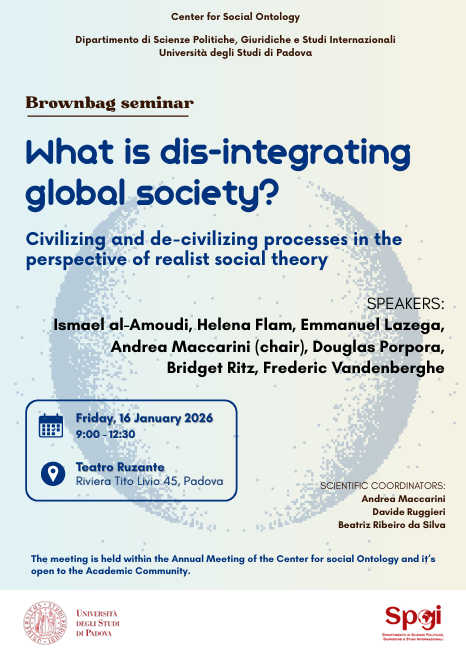
The Annual Meeting concluded on Friday morning, January 16, with the brown bag seminar “What is dis-integrating global society? Civilizing and de-civilizing processes in the perspective of realist social theory”, an open event and moment of sharing with the academic community.

The seminar aimed to foster interdisciplinary discussion on the dynamics of global society, focusing on processes of integration and dis-integration through the lens of realist social theory. The discussion was chaired by Andrea Maccarini, CSO director, and speakers included CSO members Ismael Al-Amoudi (Honorary director), Emmanuel Lazéga, Douglas Porpora, Bridget Ritz, and Frédéric Vandenberghe.

Information

The CSO now has a dedicated email adress for direct inquiries: centreforsocialontology@gmail.com